Property Investment in the East Midlands: A Considered Approach to Buying Well
Property investment in the East Midlands is seldom settled by one number. The asking price tells you something and the quoted yield tells you a little more, but neither shows what you will actually own or how it will behave over the years you hold it.
The better questions sit underneath: will the appeal of the place last, what does the condition really imply, what will ownership actually cost, and who will want the home when you come to sell? Across a region that runs from university cities to the Rutland villages, those are the questions that reward a careful buyer, far more than a quick glance at the particulars.
What follows is how I think about buying well here, drawn from personal experience of acquiring and restoring homes across the region, and from seeing at first hand which places hold their appeal.
Where durable demand comes from

Every worthwhile purchase rests on appeal that lasts, so the question I always come back to is not whether people want to live somewhere today, but why they will still want to in ten years. That staying power almost never rests on one thing.
A town with several kinds of employer behind it, in professional services, healthcare, education and distribution, tends to be more resilient than one leaning on a single industry. Transport counts in the practical sense of how easily you actually reach work, not whether there is a station on the map. And the everyday things, the shops, the open space, a decent school run, are a large part of why people stay and what the next buyer is likely to value.
Supply matters just as much as appeal. Where good houses are scarce, prices tend to find firmer support.
However, the wider market always has the final word; where a run of near-identical new homes is on the way, there is more to sell against, so what is planned locally often tells you more than what is on the market today.
Schools come into it for many families too, though catchment areas and admissions shift from year to year, so they are always worth checking rather than assuming.
How demand varies across the East Midlands
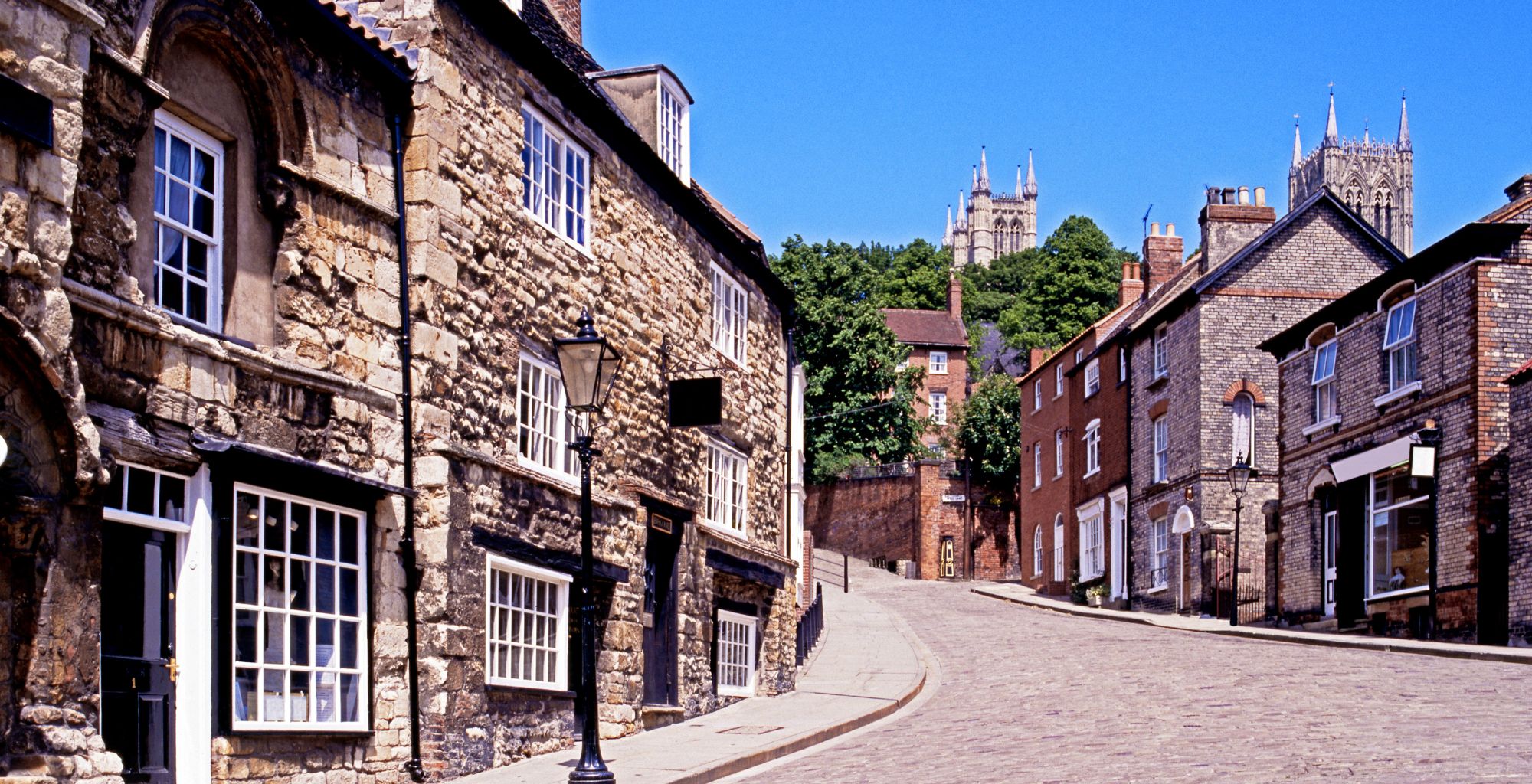
You can see all this play out in the region’s own contrasts. Leicester, Nottingham and Derby each carry broad economies, with universities, teaching hospitals and long-established employers pulling interest from several directions at once. Lincoln is a cathedral city with its own draw, and Northampton has a sizeable commercial and distribution economy within easy reach of the south.

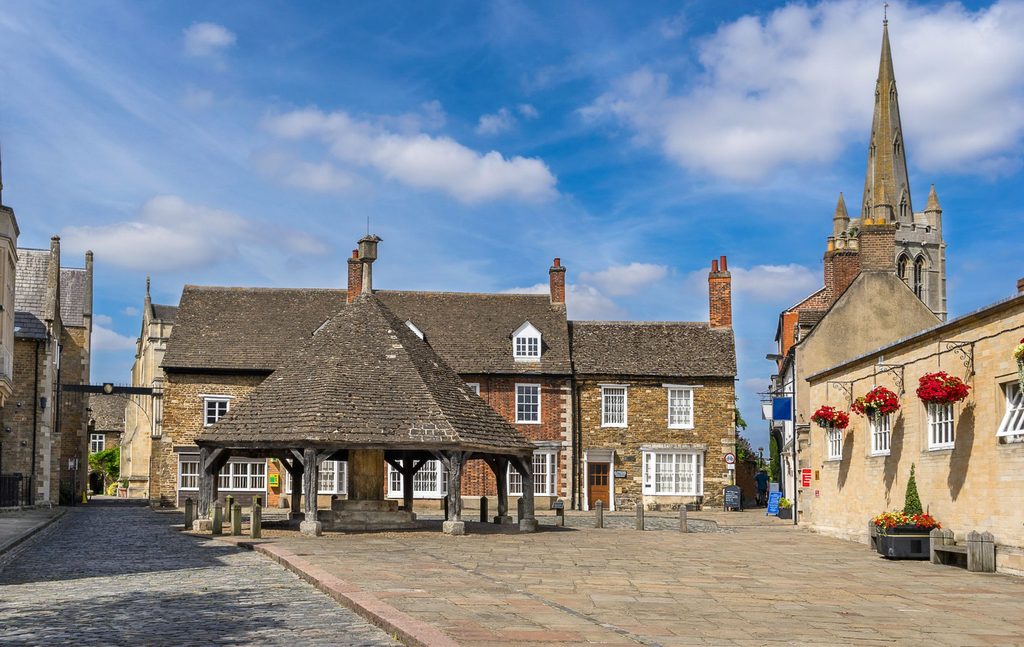
The market towns work to a quieter rhythm. In my experience, Stamford, Oakham and the Rutland villages attract people who come for the setting and the pace of life rather than because a job sends them there, and that difference runs right through the East Midlands property market, from the kind of home that stays in demand to the people most likely to want it later.
Why price and value are not the same thing
What a home costs and what it is worth are two different things, and treating them as one is the quickest way to overpay, or to walk past a good buy.
A price below what a property seems worth might just mean a motivated seller or a poor set of photographs, which is good news for a prepared buyer.
It can equally point to movement in the structure, damp, a failing roof, a short lease, a covenant on the title, non-standard construction or interest that has quietly drained away. There is nearly always a reason behind the number, and the skill is in reading it before you commit.
Separating the cosmetic from the fundamental
Some of this is easy to judge and easy to cost. Kitchens, bathrooms, decoration and finishes seldom hold surprises. Structure, drainage, subsidence and the compliance side are another matter, and it is here that an apparent advantage can turn into an open-ended bill.
Having bought and renovated houses around Stamford, Oundle and the wider Rutland area myself, I have learned to price in the unexpected rather than trust a first estimate, particularly with older stone properties, where what you cannot see tends to matter most. A sound home in the right place is usually the wiser choice than a troubled one taken on for less.
How value varies by location
The same money buys very different things from one part of the region to the next. Investment property in Leicestershire alone runs from city streets in Leicester to the market squares of Market Harborough. In Oundle and the stone villages around it, character can command a premium that a similar house on a city fringe may never reach. The figure on the particulars means little until you read it against the place it belongs to.

Looking past the headline number
A quoted return is only a starting point. Two homes can show the same headline and behave nothing alike once you see the whole picture, because that figure sets rent against price and leaves almost everything else out. The real work is in what it leaves out: the running costs that build up over the years, the condition that decides how much the place will ask of you, and how dependable the demand behind the income really is.
What a full appraisal weighs
A proper look takes in the whole operating reality, not the flattering summary. A period conversion can ask more of its owner than a modern house; a leasehold carries duties a freehold does not; and the staying power of local demand underwrites everything else. Pressure is worth thinking about, too: what happens if the income falls short, a big repair arrives, or borrowing costs move.
The point is not to make every purchase look fragile, but to know how much a property can absorb before the outcome really changes.
Honest expectations matter here, because an asking rent and an achievable rent are not always the same, and the gap usually shows only when you measure a home fairly against its neighbours.
Where prime assets stand apart
This is really an argument for choosing the right individual property rather than the right category. A well-chosen house in a place people keep wanting carries a different kind of risk from one picked on yield alone, which is where the case for prime property investment holds up.
Within the region a Derby apartment, a Lincoln townhouse and an Oakham period house are three quite different propositions, and what makes one of them a sound buy will not be what makes another. Whether you are buying a single home or adding to a portfolio, the work is in judging the specific house in front of you, on its own merits, rather than trusting the label attached to it.
Why the exit matters before the purchase
Many buyers only think about selling when they are ready to sell. It is better treated as keeping your options open from the outset, because markets turn, borrowing costs move and life seldom stands still. A home with more than one plausible way forward stands up better than one riding on a single result, and the time to build that in is before you buy, not when a sale has become urgent.
Keeping the exit options open
Most of that comes down to who will want the property after you. A home that appeals to people who want to live in it, as much as to investors, reaches a wider pool of buyers later on, and that breadth is worth more than it looks.
A city home in Leicester or Northampton may find its next owner among professionals, families or other investors, while a house in Oundle or the Rutland villages tends to draw those buying for the setting itself. Sound construction, a workable tenure and a well-kept condition stay relevant whichever way lending moves, and if the plan is to improve a place before you refinance, the finished house has to stand on its own merits, not on an optimistic projection.
Room to use a property differently adds further options, as long as any change is realistically achievable within planning, building regulations and the title, rather than just hoped for.
Growth as a bonus, not the plan
Rising values are welcome when they come, but no market moves in one direction only, and they should reinforce a good decision rather than rescue a poor one. A purchase built on real demand and a sensible cost base does not need the market to save it.
These things are worth revisiting through the years you own a home, not just when a sale looms, because a calm decision almost always beats one made under pressure. Weighing all of it, the next buyer, the room to adapt, the cost of holding, is part of what our advisory services are there to help with.
Your search for a property investment in the East Midlands
In the end, buying well here comes down to looking past the obvious, weighing appeal, quality, the true cost of owning and a clear way out before you commit. Property offers no guarantees, in the East Midlands or anywhere else: values can fall as well as rise and income is never assured, which is exactly why judgement counts for more than any single figure on a listing. That is where real local knowledge earns its place.
Ashley Banfield leads Garrington’s work across the East Midlands, and knows its towns and villages from buying and renovating there himself. For a discreet, no-obligation conversation about a purchase in the region, we would be glad to hear from you.
Please get in touch.
Frequently asked questions
What makes a location attractive to a property investor?
Durable appeal is the key, and it usually rests on more than one foundation. Varied employment, dependable transport, good amenities and a healthy balance between the homes available and the people who want them all help a location hold its appeal as conditions change. The East Midlands offers both ends of that spectrum: cities with broad economies and market towns whose draw comes from setting and character.
Is the East Midlands a good region for property investment?
The region offers considerable range, from city neighbourhoods with layered economic drivers to market towns and villages with strong owner-occupier appeal. That breadth allows an investor to match a property to a clear objective rather than accept a single regional average. As with anywhere, the quality of the individual decision matters more than the region in isolation, which is where local knowledge proves its worth.
What should an investor consider when a property is priced below expectation?
A price below expectation usually has an explanation, and identifying it is the priority. Cosmetic shortcomings are usually manageable, whereas structural, drainage, tenure or compliance matters can prove far more costly, and thin local demand can make a property difficult to sell later. The aim is not to avoid every imperfect property but to understand the imperfection fully and decide whether it suits the strategy.