Moving to Stamford: 8 things you should know
Moving to Stamford appeals to many buyers, and it is easy to see why the moment you arrive.
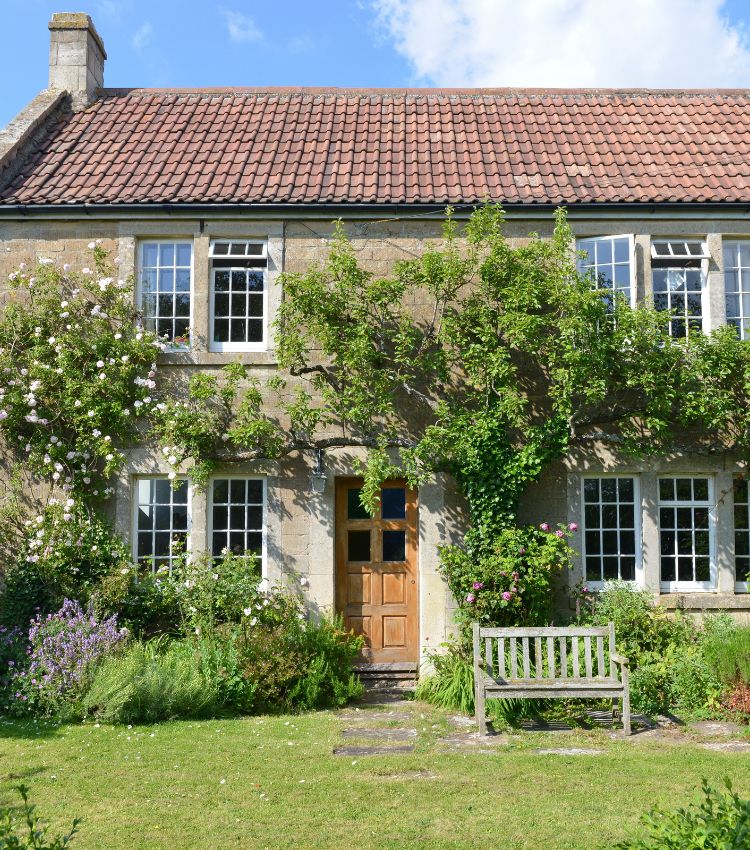
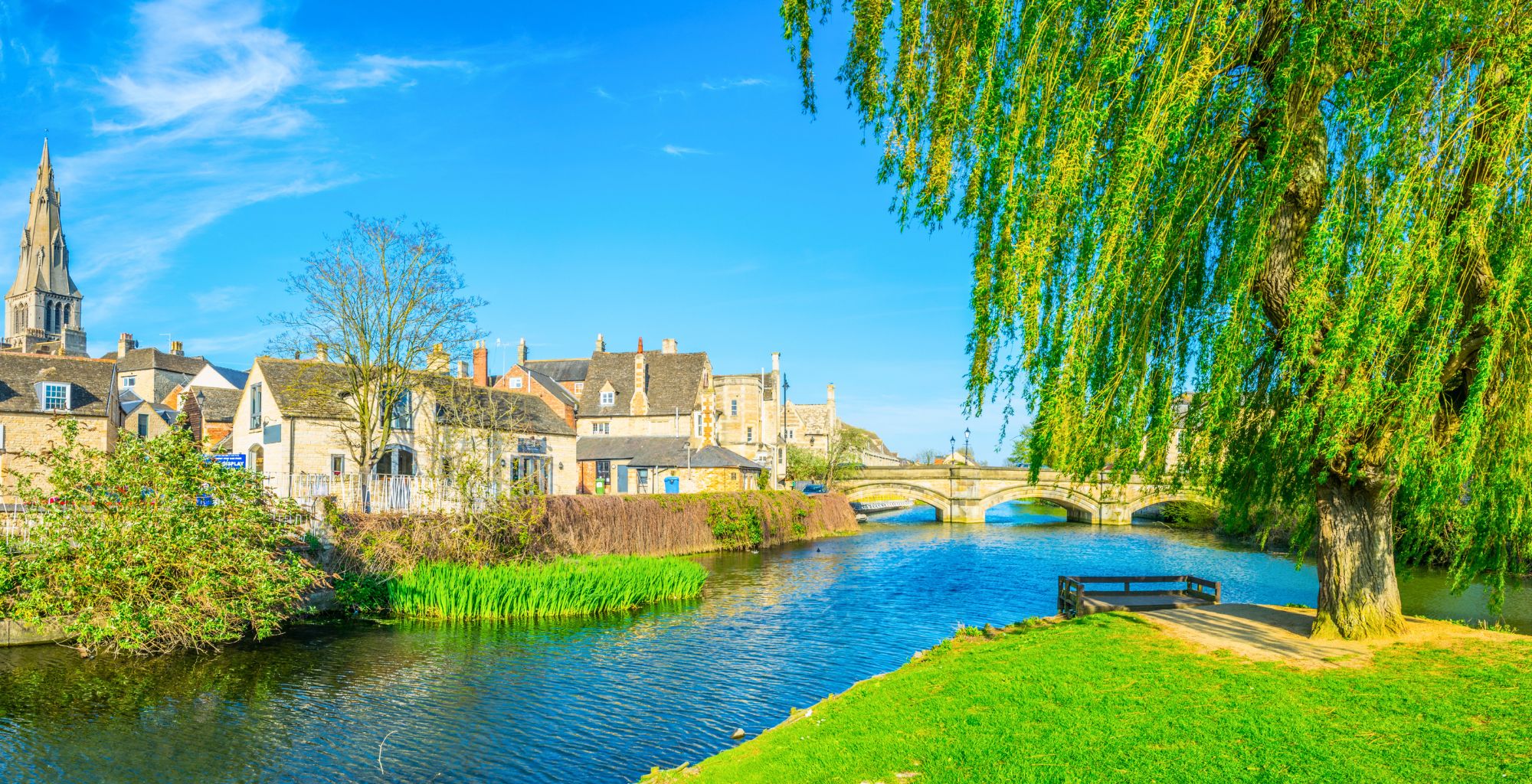
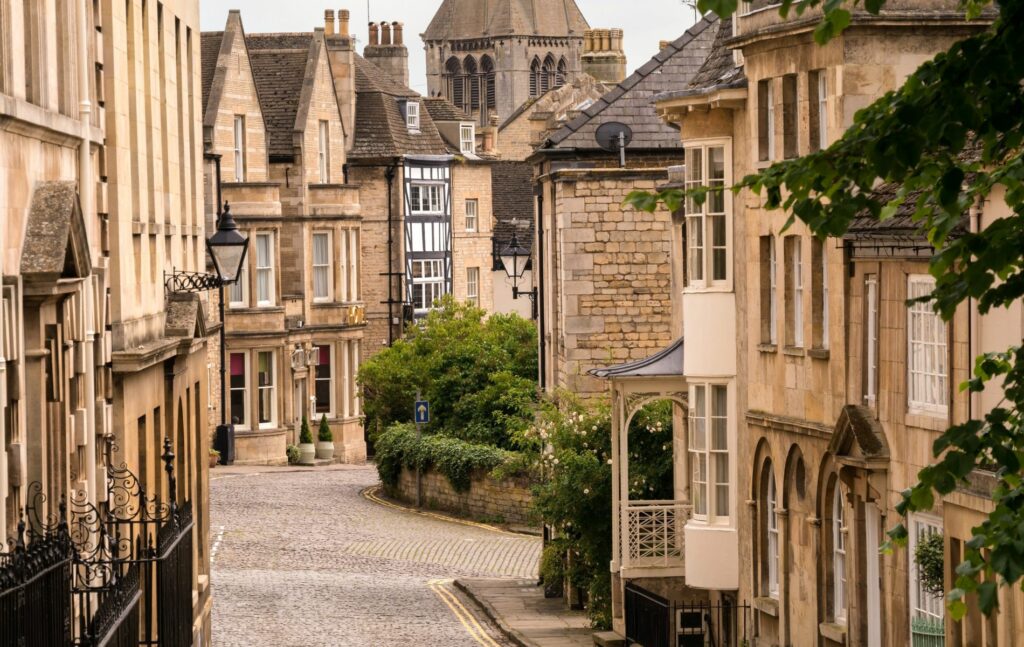
Cross the River Welland from the south and the town rises in honey-coloured limestone, a run of Georgian frontages and church spires along streets that have altered little in three centuries. The first impression is hard to shake.
It is only part of the story, though. The Stamford that photographs so beautifully is a working town with its own rhythms, its own pockets of value, and its own quirks that reveal themselves only once you know where to look. For anyone weighing a move, here are eight things worth understanding before the search begins.
1. A town built in stone
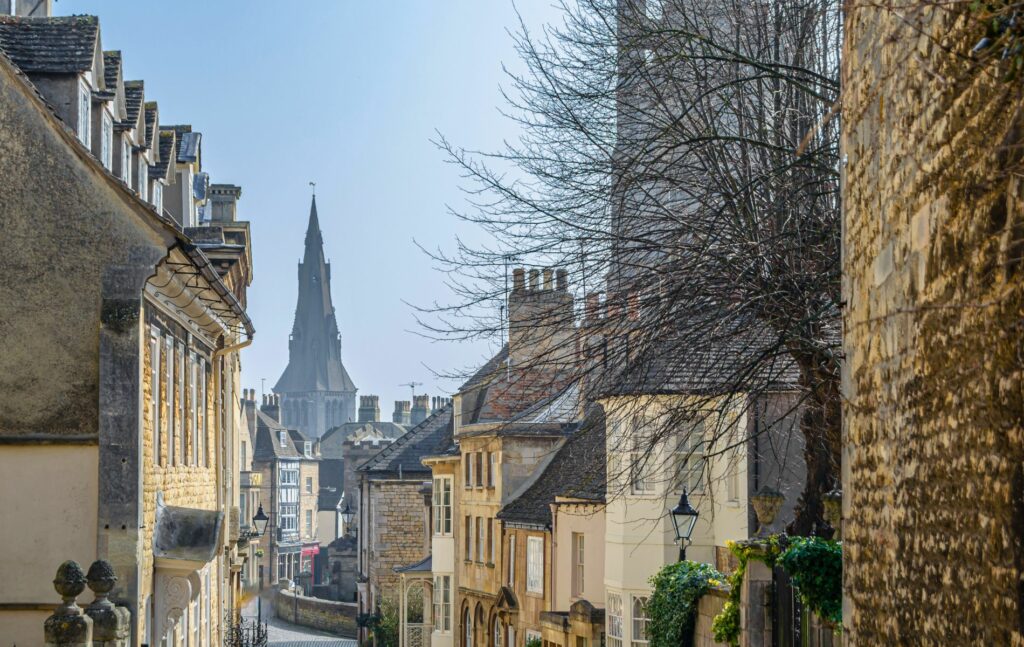
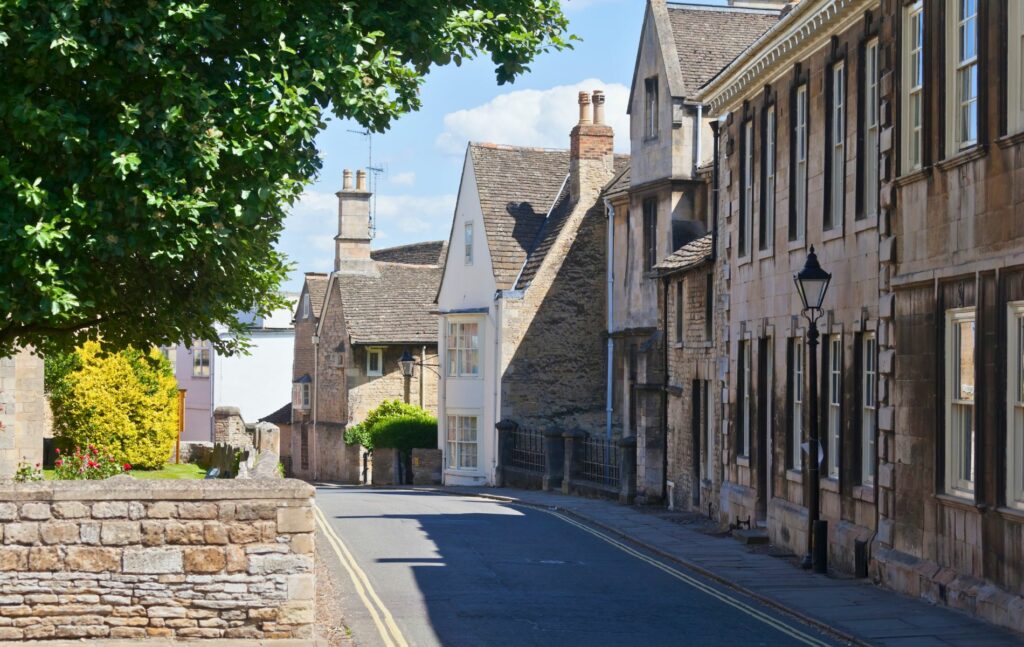
Stamford has stood on the Welland for more than a thousand years, and stone has defined it for most of them. Wealth from the medieval wool trade paid for much of what you see today, and the mellow limestone gives the town a warmth that many visitors remark on.
It was the first urban conservation area in England to be designated in 1967, and the protection has held. Sir Walter Scott called it the finest sight on the road between Edinburgh and London, and Stamford, with nearby Burghley, has since stood in for Regency and Tudor England on screen, from Pride and Prejudice to The Da Vinci Code.
As one of the East Midlands’ most admired market towns, Stamford has featured in national best-places-to-live coverage, including the Sunday Times regional rankings, and many would say the reputation is deserved.
2. Heritage and culture
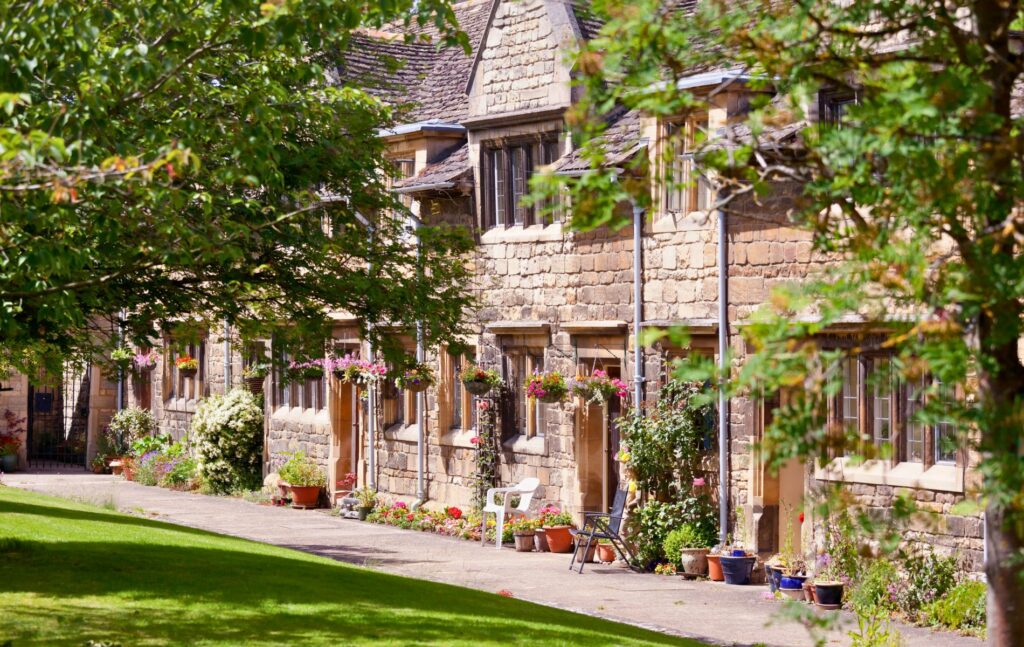
The architectural record is remarkable for a town of this size. Around six hundred listed buildings line the centre, most raised in the seventeenth and eighteenth centuries, with older timber-framed survivors tucked among them and Collyweston slate roofs catching the light overhead.
Stamford is also celebrated for its medieval churches, five of them, their towers a constant presence on the skyline.
Culture keeps pace with the history. The Stamford Shakespeare Company stages open-air productions through the summer at Tolethorpe Hall, the Burghley Horse Trials draw an international crowd each autumn, and the Stamford International Music Festival brings chamber music to the town.
Burghley House, the Elizabethan prodigy house on the edge of town, anchors it all, while Browne’s Hospital and the Corn Exchange add further texture to a place that wears its past lightly.
3. Green spaces and the outdoors
For buyers who want town life without losing the countryside, Stamford strikes an unusual balance. The Meadows run alongside the Welland through the heart of the town, open grassland for walking, picnics and the occasional summer kayak or paddleboard.
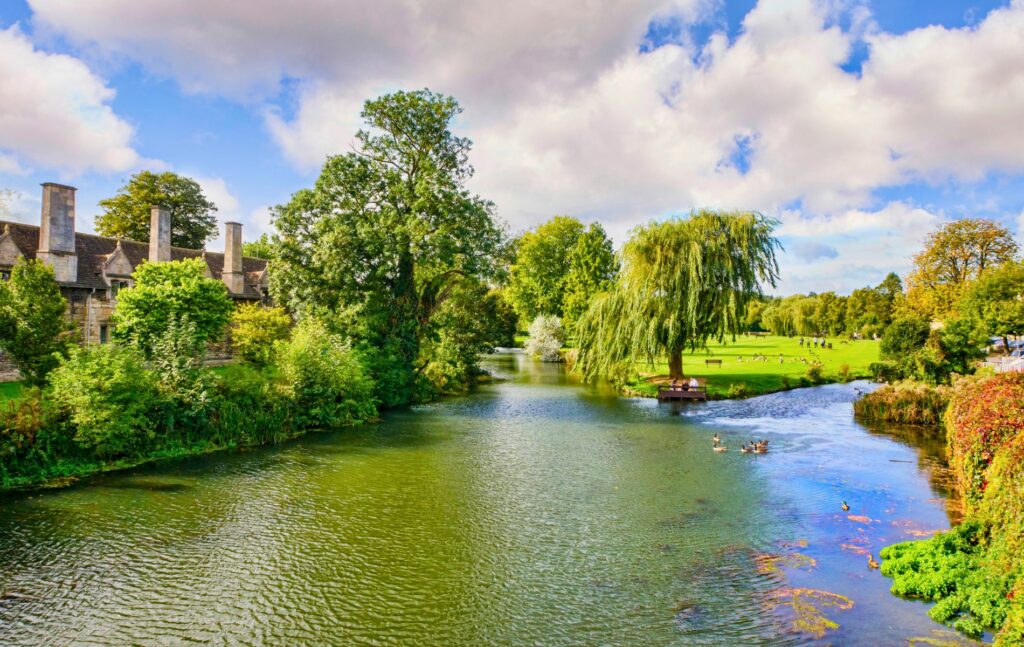
The parkland at Burghley, laid out by Capability Brown, offers something grander a short walk away.
Beyond the town, Rutland Water sits within easy reach. It has the largest surface area of any reservoir in England and draws people for sailing, cycling and birdwatching, and buyers taken with the water often find themselves weighing a move to Rutland as well, the two areas rewarding being considered together.
Golfers are well served too, with a choice of golf courses across the East Midlands within a comfortable drive.
4. The property market in Stamford
The property market is where Stamford rewards local knowledge most, and where location matters as much as the house itself. The most sought-after addresses, Barn Hill, St Mary’s Street, St Peter’s Street and the lanes around Wothorpe, draw the strongest interest for their position and period character, and the most desirable can sell quickly.
Homes on the western and northern edges of town, together with recent developments to the east and north, tend to widen the choice, while the surrounding villages such as Great Casterton, Ryhall and Easton on the Hill bring more options again for those willing to look just outside the centre.
The conservation status that makes Stamford so handsome also shapes what you can and cannot do to a home once you own it, from windows to extensions, so it is worth understanding before you commit.
Where to live in Stamford
The honey-stone streets of the centre are the obvious draw, though they also tend to see the strongest competition. Buyers who stay open to the town’s quieter corners and to the surrounding villages can find a wider choice, without losing the character that drew them to Stamford in the first place.
The difference between finding a home and finding the right one often comes down to access and timing, which is where a property finder earns their place.
5. Independent shops and dining
Stamford has resisted the sameness that has flattened so many English high streets. The centre is full of independents, butchers, bakers, delicatessens and small boutiques, anchored by a weekly market that has run for centuries. It has long been known for its independent shops, and an afternoon spent wandering through it explains why.
The food and drink scene matches the shopping. The George, a coaching inn that has welcomed travellers for centuries, remains the grand choice for dining and afternoon tea. The Bull and Swan trades on a cosy room and a locally sourced menu, while The Crown blends modern comfort with older bones.
Come the evening, cocktail bars and live music keep the centre lively well past the time the shops have closed.
6. Schools in Stamford
Education is a major draw for families. The Stamford Endowed Schools, founded in 1532, sit at the centre of it, offering a continuous path from age two to eighteen across junior and senior provision, and for many families, that single institution settles the question of where to move.
The town and its surrounds also offer a choice of state schools, and Lincolnshire is one of the counties that has kept selective grammar schools. Places at the grammar schools depend on the eleven-plus, on where a family lives and on each school’s own admissions and transport rules, so catchments and entry criteria are always worth confirming early when schooling is shaping the search.
7. Transport and connectivity
Stamford’s connections are better than its quiet streets suggest, and they are a large part of why the town works for commuters. Its own station connects to Peterborough on the East Coast Main Line, where fast services run to London King’s Cross, putting the capital within reach of a regular commute, though journey times vary by service.
Cambridge is an easy run, and Stansted is reachable for those who fly often.
By road, the A1 runs along the edge of town, linking north and south without fuss. The one real caveat is local traffic. The centre can slow at the school run and on busy weekends, and most residents simply learn to time their journeys around it.
8. Community and everyday life
What finally persuades most people is not any single feature but the feel of the place. Living in Stamford means a town small enough that faces become familiar, yet busy enough to sustain a full calendar of markets, festivals and fairs through the year. The independent culture that fills the shops carries into community life, and newcomers tend to settle quickly.
It is a town that rewards the everyday as much as the occasion. A morning at the market, a walk along the Welland, an evening at the theatre under the stars at Tolethorpe. These are the textures of life here, and they are part of why so many who arrive intending to stay a few years find themselves putting down roots for good.
Moving to Stamford
Stamford brings together history, character and practicality in a way that few towns manage, and it rewards careful buying. Many of the homes that capture what makes the town special are tightly held, and some change hands before they are ever advertised.
That is where the right guidance makes the difference. Ashley Banfield, Garrington’s Regional Partner for the East Midlands, knows Stamford as a resident as much as an adviser, with a feel for which streets and corners of the town are most keenly sought and the local relationships that often bring early word of a home for sale. A long career advising buyers has shaped a patient, attentive way of working, from judging what a property is truly worth to negotiating its purchase, which counts for most when the finest homes come up.
For a discreet, no-obligation discussion about moving to Stamford, please do get in touch.
Frequently asked questions about moving to Stamford
Is Stamford a nice place to live?
Stamford is widely regarded as one of the most attractive towns in England, known for its Georgian limestone architecture, independent high street and active community life. Its mix of history, green space and good connections makes it a popular choice for families and professionals alike.
Is Stamford an affluent area?
Stamford is generally considered a prosperous town, and property in its most sought-after central streets is among the more expensive in the area. The wider area offers a range of homes and price points, though, particularly on the edges of town and in the nearby villages.
Why do people move to Stamford?
People are drawn to Stamford for its architecture and character, its independent shops and restaurants, its choice of schools, and its access to open countryside at Burghley and Rutland Water. Rail links to London via Peterborough make it a practical base for commuters as well.
What is it like living in Stamford?
Living in Stamford combines the convenience of a busy market town with the calm of a place steeped in history. Residents enjoy a full calendar of markets and cultural events, easy access to the River Welland and the surrounding countryside, and a community that newcomers tend to find welcoming.